Review: 'Climate Emergency Mixtape' Takes the Crisis Down To Street Level
Seven independent rappers, seven languages, about 20 minutes. The project's real strength is how local its writing is.
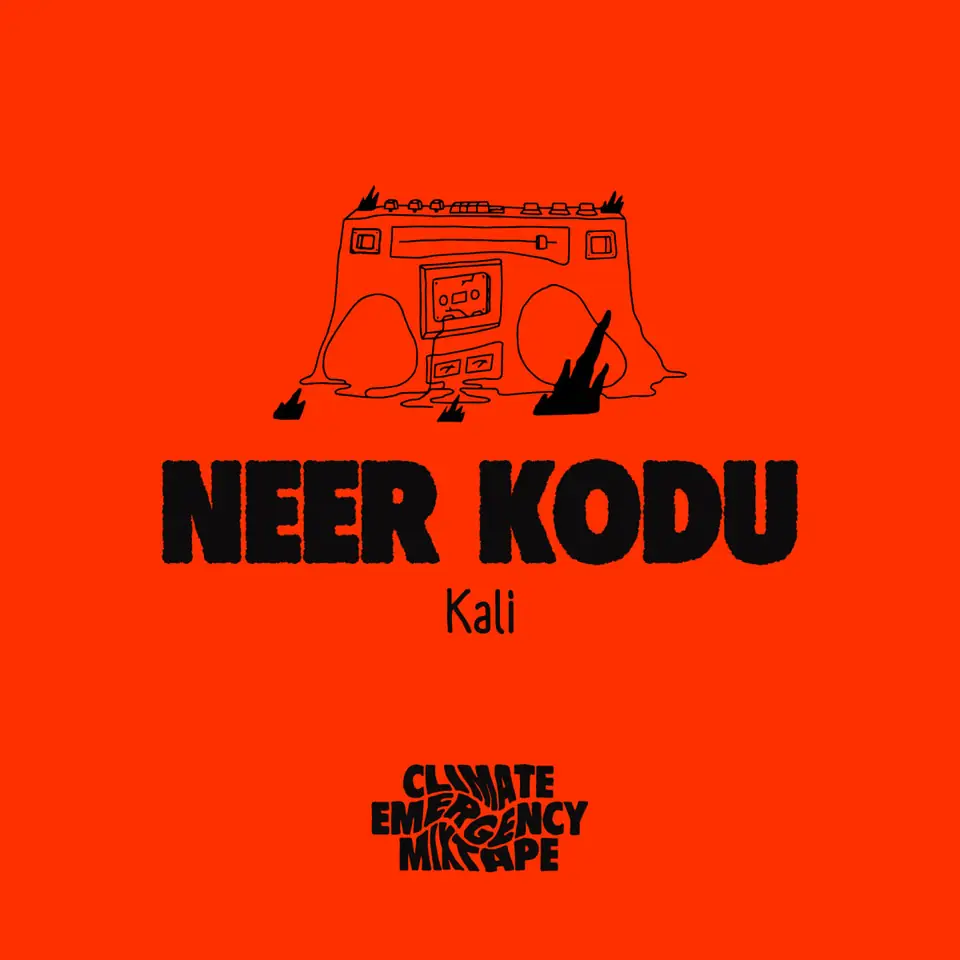
Release: Climate Emergency Mixtape, various artists (Folksoul), released 7 October 2026
Tracks: 7 | Running time: about 20 minutes
Indian independent hip-hop has always worked best as reporting. The verses that last name a specific neighbourhood, a specific job, a specific injustice. Climate Emergency Mixtape, released through Folksoul on Bandcamp on 7 October, applies that habit to the climate crisis, and it is the right instinct.
The project calls itself "A Multilingual Rap Album on the Climate Crisis by Independent Indian Artists". It was put together by Youth Ki Awaaz, Kraantinari, Asar, Folksoul and the Climate Culture Collective. Their pitch, in the release notes, is "a simple bet: that hip-hop, a form born from protest and truth-telling, might reach people that a climate report never will."
Seven songs, one map
Here is the running order. Kali opens with "Neer Kodu" (3:27), followed by DEVANSHI!'s "Nisargacha Kaayda" (3:05) and Sollisai Sistahs' "Veppa Marathadiyila" (3:05). Alkama's "NAST ENVIRONMENT" (2:26) sits in the middle, then Gamak Sinha's "Mitti" (3:04) and Naveen's "Van Kate" (2:27). Krantinaari closes with "Ye Jhuki Vadiya" (2:24).
No track runs past three and a half minutes, and the shortest are under two and a half. That's a smart choice for a cause record. Every track is short enough to share on its own, and the whole thing is over before a listener's attention drifts.
Where the writing lives
What makes the mixtape worth your time is its sense of place. According to the release notes, Naveen writes from the Aravalli hills, "where the ridge that has shaped Delhi's climate for centuries is being quietly worn down", about "what disappears when a hill disappears". The Sollisai Sistahs (spelled Sisters in the notes), nearly two thousand kilometres south, "count what's been lost through floods that didn't have to happen". DEVANSHI! finds her way into the subject from Maharashtra. On "Mitti", Gamak Sinha lets the soil narrate its own history, "from discovery to destruction".
Western climate pop usually goes for the big picture: the planet, the ice caps, a chorus about saving the world. These artists work in close-up. They write about a particular ridge or a particular flood, in the language of the people who live there. The notes say it directly: "These are not seven separate songs about the same headline."
What's missing
The format has a cost. With one artist per track, nothing on the record crosses a language barrier. A single song trading Tamil and Marathi verses over one beat would have made the "one crisis, many communities" idea something you hear, rather than something you read about in the liner notes. And because the mixtape comes from an activist coalition rather than a label, how far it travels will depend on campaigners and classrooms as much as on playlists. That may be the point.
Where to start
As a piece of curation, the project treats regional languages as its core, gives a stage to rappers outside the Mumbai-Delhi spotlight, and keeps each song shorter than a lecture. "Mitti" is a good way in, and each artist's own catalogue is the natural next step.
A note on method: this review is based on the official release page, its credits and the project's own notes. Descriptions of each artist's subject are quoted or paraphrased from those notes.
(Source: official release page and notes on Folksoul's Bandcamp)